


Child Therapy in Richmond Hill
We support children aged 2–11 experiencing anxiety, low mood, big emotions, behavioural challenges, friendship difficulties, neurodivergence, and the impact of negative experiences. Through play therapy, music therapy, and other psychotherapy approaches, we help children explore their feelings and experiences while building coping skills at their own pace.
Our approach is individualized, developmentally informed, neurodiversity-affirming, and family-centred.
Most Services Covered by Insurance & Health Benefits
Weekday Evening & Saturday Availability
Services in English, Cantonese 廣東話 or Mandarin 普通话
Accepting New Clients Now
What We Treat
When Your Child Can Benefit From Therapy
Children and teenagers express emotional distress in different ways. Some experience anxiety, intense emotions or difficulty with friendships, while others withdraw, struggle with confidence or show changes in behaviour. Therapy can help when these difficulties affect everyday life, relationships, school or family well-being.
Big Emotions & Emotional Regulation
Anxiety, Separation & Transitions
Friendships & Social Challenges
Neurodivergence & Developmental Differences
Low Confidence & Self-Esteem
Trauma, Grief & Family Changes
What Children Can Benefit From Therapy
Your child is not a problem to be fixed. Behaviour is often a way of saying, "Something feels hard." Therapy begins with curiosity, care, and a wish to understand what your child may need.
Why Families Choose Healing Notes Therapy

Creative Child Therapy
Play, music, and creative expression for regulation, communication, and coping.

Caregiver-Involved Therapy
Parenting support and co-regulation strategies that create a positive ripple effect at home.

Neurodiversity-Affirming Care
Strength-based care adapted to each child’s sensory and communication needs.

Meet Angie Lee, RP, MTA, MMT
Angie is a Registered Psychotherapist and Certified Music Therapist specializing in child and youth mental health across multiple settings. Her combined training in psychotherapy, play therapy and music therapy allows her to adapt sessions to each child's emotional, developmental, sensory and communication needs.
— Different Pathways Into a Child's World
How Child Therapy Works Beyond Words
There is no single doorway into a child's world. We follow your child's interests and communication style, choosing approaches that help them feel comfortable enough to explore. No artistic or musical experience is needed.
-
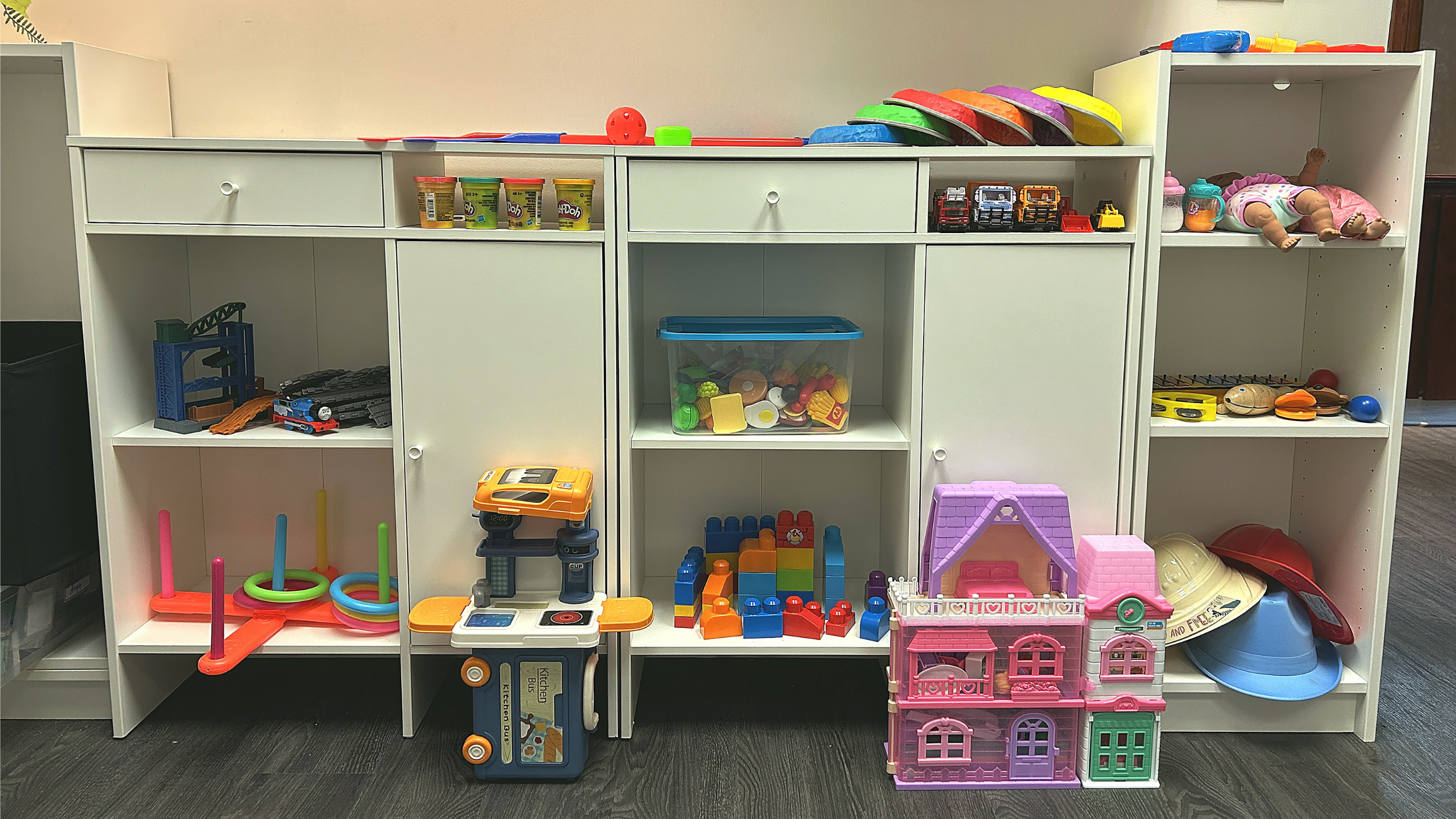
Play Therapy
Through various play-based activities, pretend play, and sandtray, children can show and work through experiences in a language that feels natural to them. Each play-based activity is chosen for a therapeutic purpose, not simply as something to do while talking.
-

Music Therapy and Music Psychotherapy
A rhythmic activity can help a child settle. A familiar song can create connection. Singing, rhythm, and instrumental playing offer ways to express what may not yet be ready for words.
-

Creative Expression
Drawing, crafts, movement, and sensory materials can make an overwhelming experience feel more visible, manageable, and safe to explore.
Evidence-Based Psychotherapy
Other Approaches Used in Child Therapy
Interactive activities, music, and creative expression may be at the heart of a session. When helpful, we also draw from other evidence-based psychotherapy approaches and adapt them to your child’s developmental stage, communication style, and sensory needs.
Cognitive Behavioural Therapy
Helps child and youth notice connections among thoughts, feelings, body signals, and actions in ways they can understand.
Dialectical Behaviour Therapy
Builds practical ways to notice emotions, tolerate difficult moments, communicate needs, and return to regulation.
Acceptance and Commitment Therapy
Helps child and teenager make room for difficult thoughts and feelings while choosing actions guided by what matters to them.
Emotionally Focused Family Therapy
Helps family members understand relationship patterns and create safer, more connected ways of reaching one another.
— Seeing the Whole Child
A Holistic, Developmentally Informed Approach
Your child is more than their age, diagnosis, or a list of milestones. Children and youth can be growing at different speeds in different areas. Throughout the therapeutic journey, we tailor our treatment to meet with your child’s needs in learning, communication and sensory. With your consent [and your child], we can include insights from your child's occupational therapist, speech and language pathologist, psychologist, doctor, or school team.
-

Thinking and Learning
-

Sensory Needs and Regulation
-
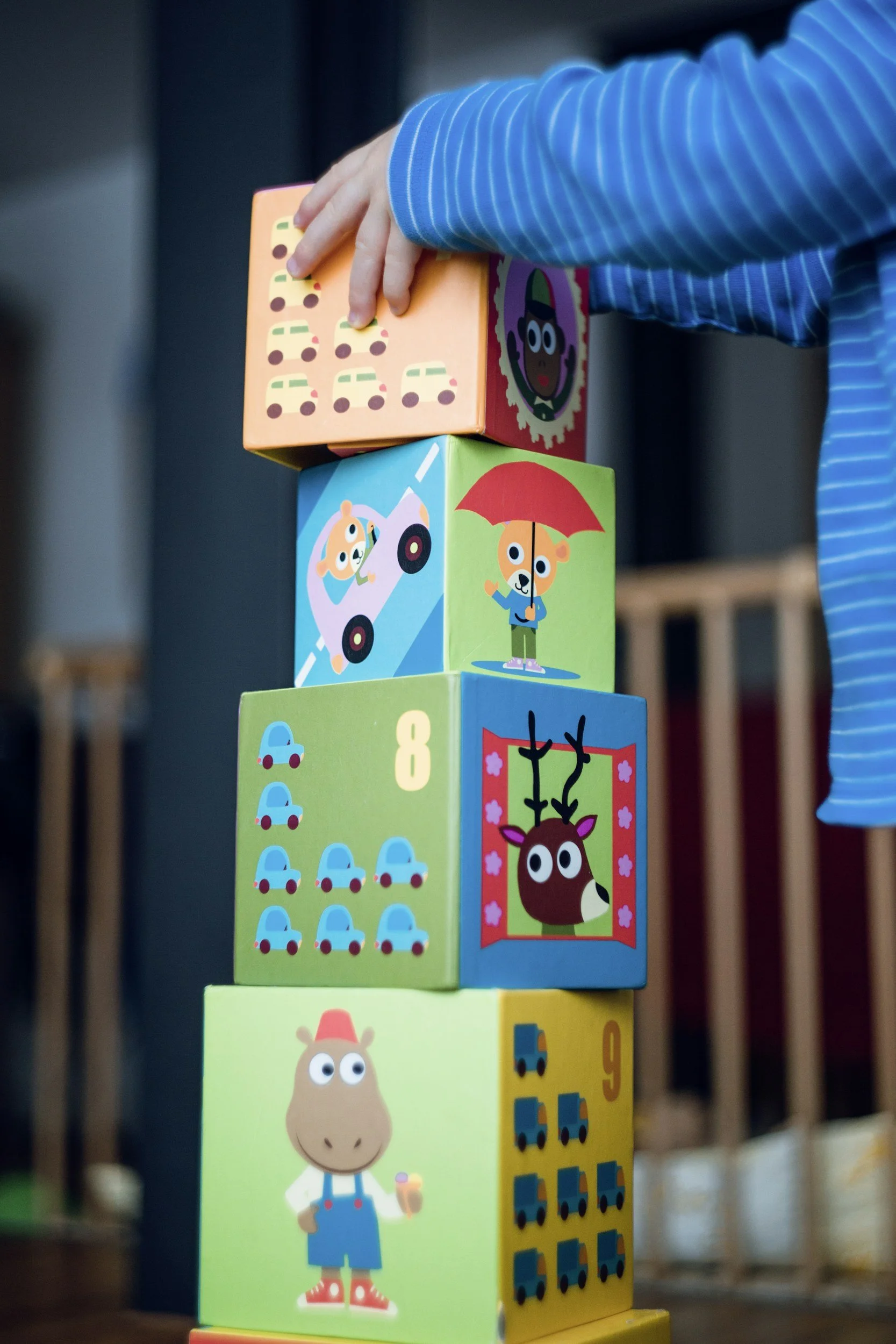
Development and Communication
— Family-Centred Care
How Parents & Caregivers are Included
No one knows your child quite like you do.
Parents and caregivers are important partners in child and youth therapy. Your observations, questions and understanding of your child help us develop a fuller picture of their strengths and needs. We involve caregivers in ways that support the child/youth's developmental stage while also building a trusting therapeutic relationship with your child.
At the beginning
Beginning With Your Family’s Story
Tell us what has been hard for the family, what brings out your child’s strengths, and what you hope will feel different for your family.
Along the way
Caregiver Coaching & Psychotherapy
Parenting has its own ups and downs. We offer coaching and psychotherapy for parents and caregivers to process any potential barrier, especially caregiver burnout.
When helpful
Family Therapy Sessions
By joining sessions, you can learn the same words and regulation strategies as your child, making it easier to offer familiar prompts and support at home. You will also practise communication and co-regulation strategies together.
— Other Age-Specific Services
Looking for More Age-Specific Support?
Child therapy at Healing Notes supports children across different developmental stages. Families with children ages 2–6 may also explore our dedicated Early Childhood Therapy service, which places particular emphasis on caregiver participation and co-regulation. For adolescents, we offer Teen Therapy for ages 12–17.
Toddlers, preschoolers and young children
Early Childhood Therapy (2 - 6 years)
Play-based therapy for toddlers and preschoolers, with caregivers actively participating in sessions to build connection, emotional regulation and everyday coping skills.
Explore Early Childhood Therapy for Ages 2-6Preteens and Teenagers
Teen Therapy (12 - 17 years)
Creative and developmentally informed psychotherapy supporting anxiety, depression, emotional regulation, relationships, identity and growing independence.
Explore Teen Therapy for Ages 12-17How Child Therapy Begins
— Getting Started —
Free 15-minute Consultation
No forms and no commitment. Share what has been on your mind, ask questions, and see whether Healing Notes Therapy feels like a comfortable fit.
Phone or secure video call · Weekday evenings and Saturdays available
Choose Your Starting Point
Both pathways begin with a conversation.
Getting to Know Your Child and Family
The therapist observes how your child connects, communicates, plays, and expresses themselves. Caregivers may join when helpful so we can understand parent-child patterns and family needs.
A Plan That Fits Your Child
We share recommendations and begin with a holistic, developmentally informed plan. Parenting support, family sessions, and practical tools for home are included when helpful.
The plan can adapt as we learn more about your child.
Child Therapy Fees
Parent Intake Session / Trial Session
$205 / 60 min
An initial meeting to understand your child’s needs, strengths, and family background.
For separated or divorced families, a longer 75-minute co-parent intake is arranged. Fees may differ.
Individual Psychotherapy / Caregiver Coaching and Psychotherapy
$170 / 50 min
Individualized sessions to support the child, or the caregiver(s).
Family Therapy
$200 / 50 min
Caregiver-child sessions supporting relationships, connection, and co-regulation.

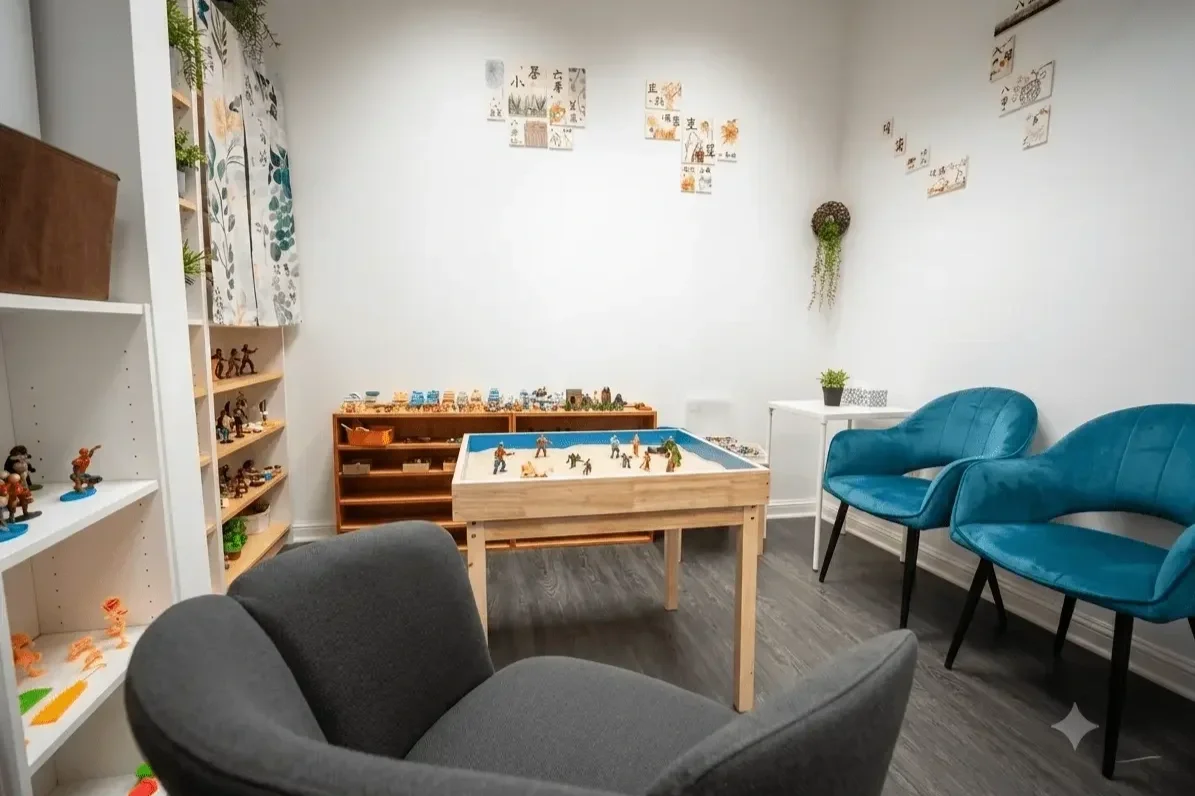
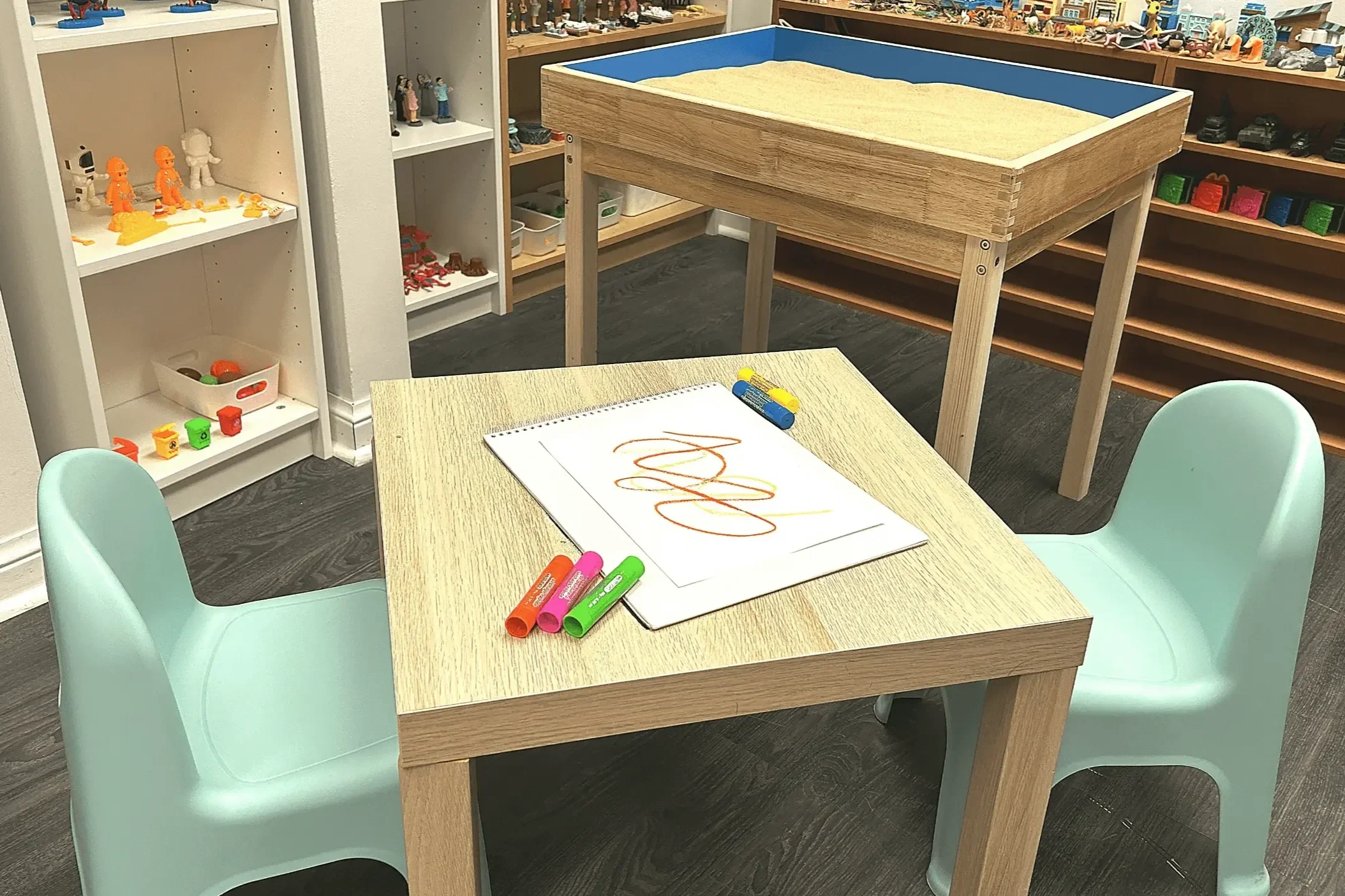
Convenient In-Person Sessions in Richmond Hill
Located inside Times Square at the intersection of Richmond Hill and Thornhill, our cozy accessible clinic space is easily reachable for individuals and busy families from surrounding areas including Markham, North York, Scarborough, Vaughan, Aurora and Stouffville. To fit the family’s busy schedules, we also provide secure virtual video sessions for clients located anywhere across Ontario.
Learn more about the location and directions of Healing Notes Therapy →

Frequently Asked Questions
Still have questions? Take a look at the FAQ or reach out anytime.
Learn more about our FAQ page to answer any of your further questions.
-
We offer neurodiversity-affirming psychotherapy that considers each child's emotional, sensory, communication and developmental needs. Sessions may incorporate play, music, movement or creative activities, with caregiver involvement when appropriate. Therapy focuses on supporting the child's well-being rather than changing who they are.
-
No, children can communicate through play, music, art and other forms of expression. We adapt sessions to each child's comfort, interests and communication preferences.
-
No, a referral is not required. You are welcome to book directly through our online booking system or contact us through our contact form or email at info@healingnotes.ca without a referral from your family doctor or any other healthcare provider.
However, if you feel it would be beneficial for another member of your child's care team (e.g. family doctor, pediatrician, psychologist, speech and language pathologist or occupational therapist) to initiate or coordinate the referral process, they are welcome to complete our referral form and submit it directly to our email.
-
No, many children we work with demonstrate a spectrum of their language ability, from non-verbal, still developing spoken language to fully verbally. No diagnosis is required.
-
Yes, in-home sessions are available on a very limited basis. Please note the following conditions apply:
Available within a limited geographic radius of our Richmond Hill office
Latest session start time is 2:00 PM
Not available on weekends
Subject to clinician availability
A virtual or in-person office meeting is required prior to any in-home session. This initial meeting allows us to get to know your family, understand your needs, and ensure that in-home support is the right fit before we visit your home.
If you are interested in in-home support, please reach out through our contact form to confirm whether your location and scheduling needs are a match before booking.
-
Music Therapy
Music therapy uses music to help your child grow, communicate, and feel better. Your child does not need to be 'good at music' or know how to play an instrument to benefit from it. Instead of just sitting and talking, we use simple musical experiences, like listening to a favourite song, writing down thoughts as lyrics, or playing with rhythms and melodies, to help manage stress, express heavy feelings, and build new skills. It is a proven, research-backed practice tailored entirely to what feels comfortable for you.
Music Psychotherapy
Music psychotherapy takes those same creative music tools and brings them directly into a mental health therapy framework. Simply put, it is the intentional use of music therapy activities inside a psychotherapy treatment. When talking about tough experiences or big emotions feels overwhelming, exhausting, or impossible, we blend music and talk therapy together. This helps your child safely explore their inner world, process deep challenges, and heal in a way that words alone cannot always reach.
For more information about music therapy, please visit the website of Canadian Association of Music Therapists.
-
Psychotherapy services provided by a Registered Psychotherapist may be eligible as an OAP mental health service when they meet the applicable funding requirements. Families are encouraged to confirm eligibility within their individual OAP funding arrangement before booking
-
It depends on your family's decision-making arrangements, and it is something we take seriously. Decision-making responsibility (formerly known as custody) determines who can legally consent to a child's access to healthcare, including therapy. We cannot accept a parent's self-claim of sole decision-making responsibility. Documentation such as a separation/divorce agreement or court order is required during intake.
Every family's situation is different, and if your child is 12 years old or older, their own written consent to participate is also taken into consideration.
If you have questions before booking, feel free to leave a message on our contact form. You can also reach out at info@healingnotes.ca or call (647)779-5216.
-
It varies by the child, depending on how quickly the child develops trust with the therapist. Some families notice small shifts after the child attending few treatment sessions. Other changes take longer.

Begin with a Conversation
Book a Free Consultation
A free consultation is a simple first step when you are considering child therapy at Healing Notes Therapy. You do not need to know exactly what kind of therapy your child needs. Tell us what you have been noticing, and we will brainstorm it through with you. There is no pressure and no commitment.