


Early Childhood Therapy in Richmond Hill
We support young children experiencing big emotions, separation anxiety, trauma, family changes and neurodevelopmental differences. Through play, music and caregiver-child interaction, we help families strengthen connection and practise co-regulation together.
Most Services Covered by Insurance & Health Benefits
Weekday Evening & Saturday Availability
Services in English, Cantonese 廣東話 or Mandarin 普通话
Accepting New Clients Now
What We Treat
When Your Child Can Benefit From Therapy
You may know that something is weighing on your child, even when they cannot tell you what it is. Often, their behaviour tells part of the story. Families often seek early childhood therapy at Healing Notes Therapy when these patterns begin affecting home, daycare centre, school or daily routines.
Your child is not a problem to be fixed. Behaviour is often a way of saying, "Something feels hard." Therapy begins with curiosity, care, and a wish to understand what your child may need.
— The Early Years Shape What Comes Next
Why Early Support Matters
A young child's brain develops rapidly. Seeking support early gives children and caregivers opportunities to better understand developmental needs, build supportive relationships and practise new skills.
New Path for Growth
Early intervention can support developmental progress and help children build new skills.
Earlier is Better
For developmental concerns, intervention may be more effective when started earlier.
Supporting Families
Early support can help caregivers better understand and respond to their child's needs.
Research & resources: U.S. Centers for Disease Control and Prevention (CDC)

— Caregivers are Part of Therapy
How Parents & Caregivers are Included
No one knows your child quite like you do.
For children ages 2–6, therapy usually involves parents or caregivers rather than focusing only on individual sessions with the child. We provide real-time modelling and guidance to help you practise co-regulation and strengthen connection through play.
Joint Playful Interaction
Notice Early Signs of Distress
Practise Co-Regulation
Bring Strategies Home
When might a child meet individually? Individual therapy for young children is generally reserved for trauma treatment or for children from separated or divorced families experiencing high co-parenting conflict. Brief child-only moments in family session may also be used when clinically appropriate, while the overall plan remains connected to caregivers.
— Our Philosophy
How Therapy Works with Toddlers & Preschoolers
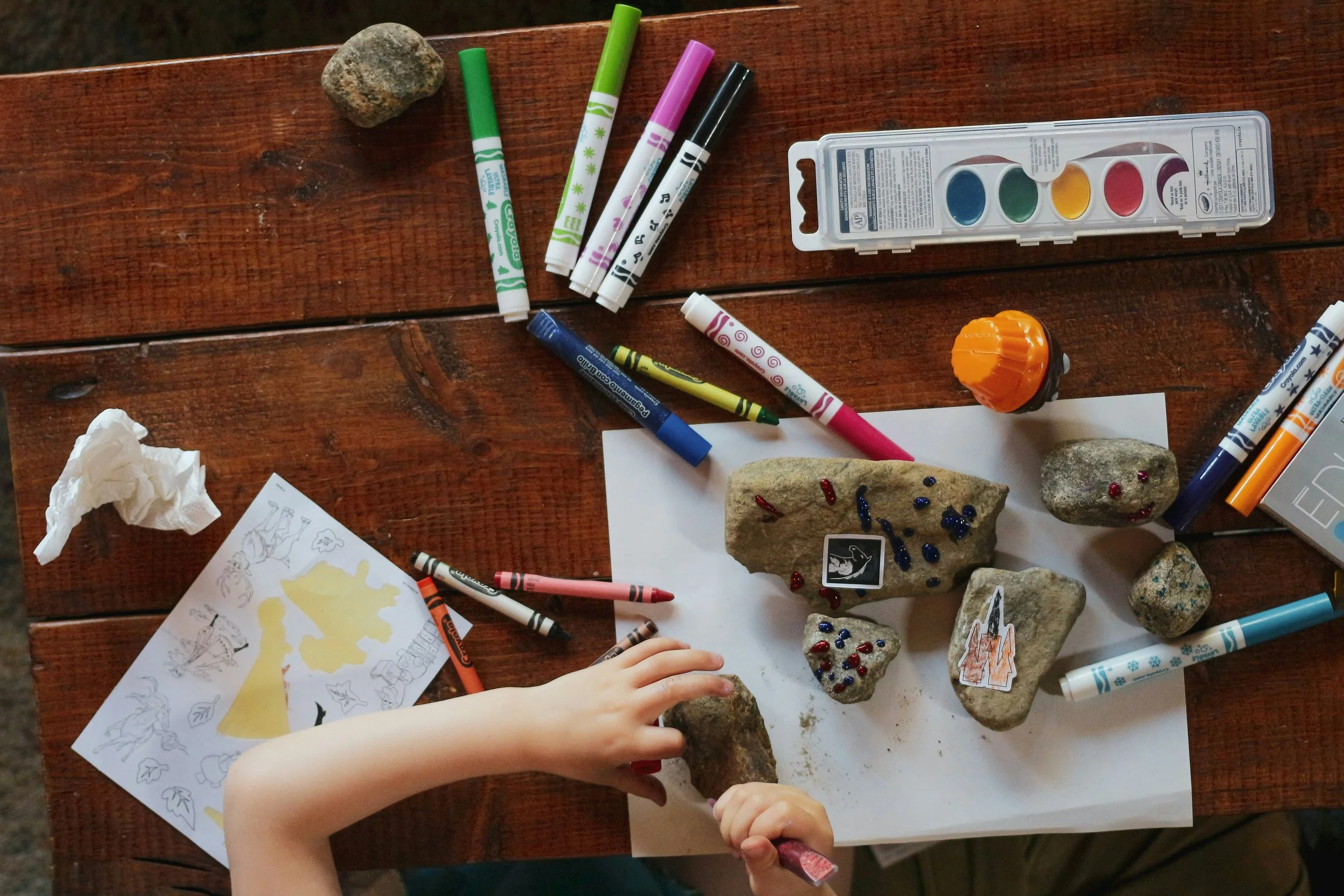
Young children don't need to sit still or explain their feelings for therapy to be meaningful. We use play, music, movement and caregiver-child interactions to understand how they communicate and respond to their needs.
“Play is a child’s natural medium for self-expression.”
Notice Body Signals
We notice signs of overwhelm and what helps your child feel comfortable.
Understand Through Play
Toys, music and movement offer clues about your child’s feelings and experiences.
Respond & Practise Together
The therapist joins the activity, supporting new ways to communicate and connect.
Evidence-Based Psychotherapy
Other Approaches Used in Early Childhood Therapy at Healing Notes Therapy
Play, music, and creative expression may be at the heart of a session. When helpful, we also draw from other evidence-based psychotherapy approaches and adapt them to the child’s developmental stage, communication style, and sensory needs.
Theraplay
Creating an active emotional connection between the child and their parent or caregiver while building and strengthening attachment.
Emotionally Focused Family Therapy
Helps family members understand relationship patterns and create safer, more connected ways of reaching one another.
How Early Childhood Therapy Begins
— Getting Started
Before booking
Free 15-minute Consultation
No forms. No commitment.
Share briefly about your child's story and ask questions.
Phone or secure video call · Weekday evenings and Saturdays available
Your first appointment
Choose Your Starting Point
Both pathways begin with a conversation.
Clinical Assessment Session
Getting to Know the Family
The therapist gets to know how you and your child connect, communicate and play. This helps the therapist observe the dynamics of the parent–child relationship.
Personalized Treatment
Your Family’s Plan
Agree on goals, session format and practical support for home.
Parenting support and family sessions will be included to fit the needs of your family, along with tools you can use at home between appointments.
The plan can adapt as we learn more about your child.
Convenient In-Person Sessions in Richmond Hill
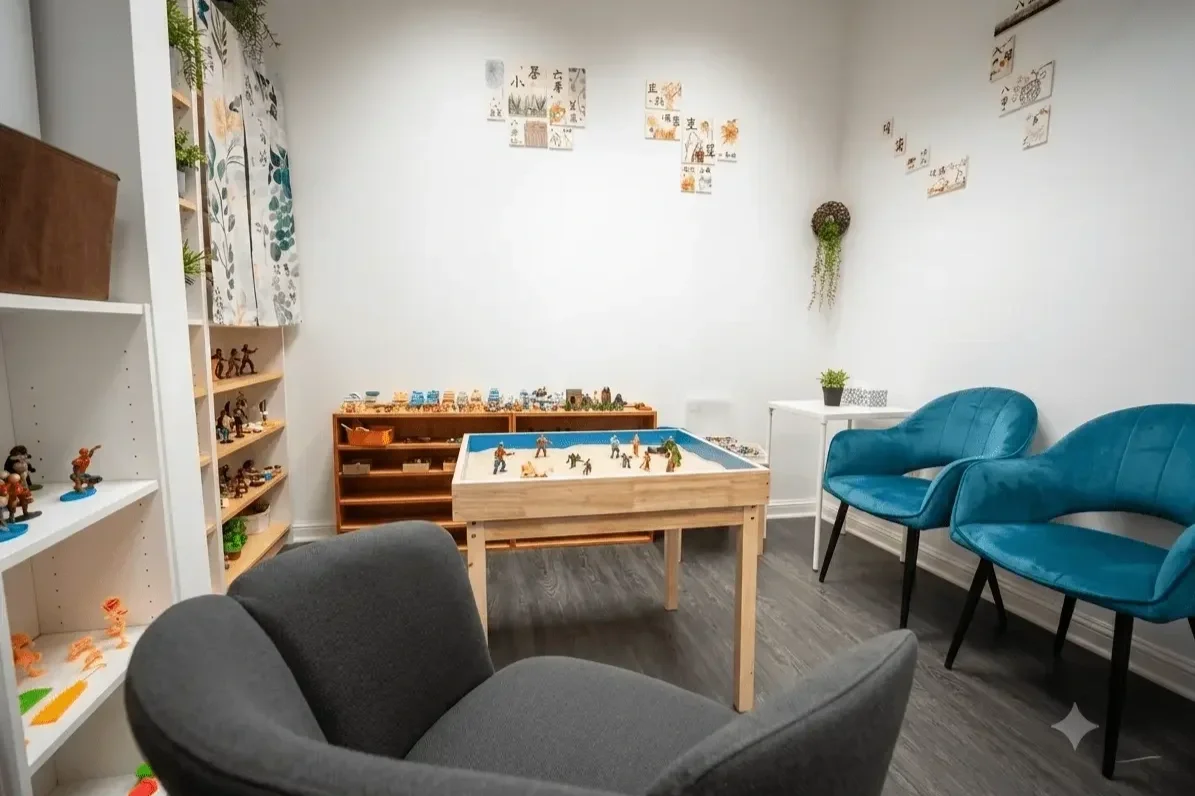
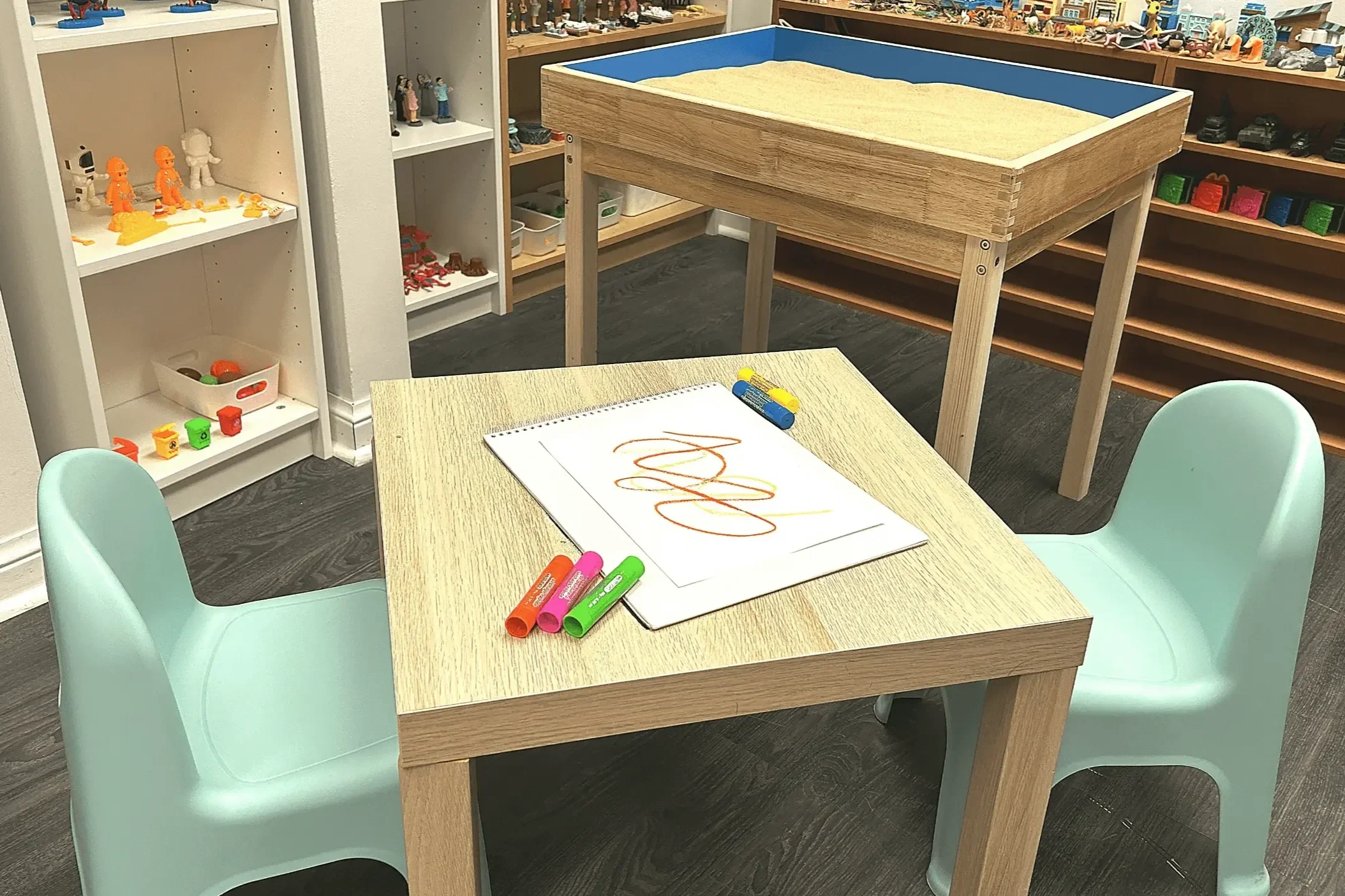
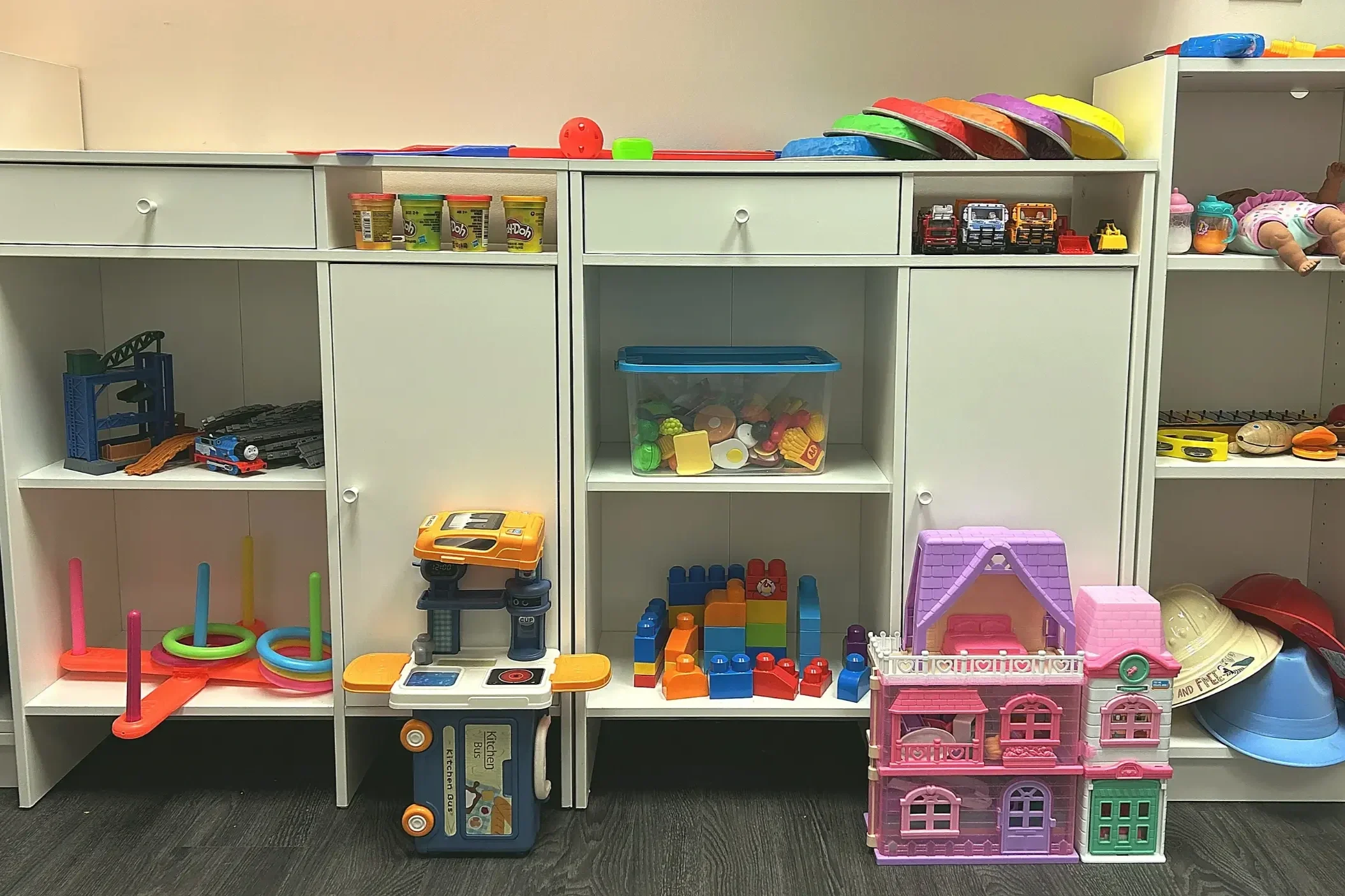
Located inside Times Square at the intersection of Richmond Hill and Thornhill, our cozy accessible clinic space is easily reachable for individuals and busy families from surrounding areas including Markham, North York, Scarborough, Vaughan, Aurora and Stouffville. To fit the family’s busy schedules, we also provide secure virtual video sessions for clients located anywhere across Ontario.
Learn more about the location and directions of Healing Notes Therapy →


Frequently Asked Questions
Still have questions? Take a look at the FAQ or reach out anytime.
Learn more about our FAQ page to answer any of your further questions.
-
Yes, therapy for toddlers and preschoolers looks different from traditional talk therapy. Children may participate through play, movement, music and interactions with caregivers. Sessions are adapted to each child's developmental stage.
-
Yes, parents and caregivers actively join therapeutic activities with their child in sessions. The therapist offers real-time coaching and modelling to help you practise co-regulation, which to support your child through connection, comfort and guidance. Together, you’ll learn ways to respond to big feelings and use familiar strategies at home.
-
Spoken language is not required to begin. We adapt therapeutic activities to the child's communication style and may use play, music, movement and other forms of expression.
-
Yes, we work with autistic children and their caregivers to understand emotional, sensory and communication needs, strengthen connection and develop supportive strategies for everyday life. Therapy is individualized and does not replace other services such as occupational or speech therapy.
-
No, families can seek support for emotional or relational difficulties without an autism, ADHD or other formal diagnosis.
-
Invoices can only be issued under the name(s) of the individual(s) who attended the session. If requested, we can include a note on the invoice indicating that the appointment was a “caregiver session regarding [child’s name]”, which may be helpful for insurance claims.
-
Music Therapy
Music therapy uses music to help your child grow, communicate, and feel better. Your child do not need to be "good at music" or know how to play an instrument to benefit from it. Instead of just sitting and talking, we use simple musical experiences, like listening to a favourite song, writing down thoughts as lyrics, or playing with rhythms and melodies, to help manage stress, express heavy feelings, and build new skills. It is a proven, research-backed practice tailored entirely to what feels comfortable for you.
Music Psychotherapy
Music psychotherapy takes those same creative music tools and brings them directly into a mental health therapy framework. Simply put, it is the intentional use of music therapy activities inside a psychotherapy treatment. When talking about tough experiences or big emotions feels overwhelming, exhausting, or impossible, we blend music and talk therapy together. This helps your child safely explore their inner world, process deep challenges, and heal in a way that words alone cannot always reach.
For more information about music therapy, please visit the website of Canadian Association of Music Therapists.
-
No, a referral is not required. You are welcome to book directly through our online booking system or contact us through our contact form or email at info@healingnotes.ca without a referral from your family doctor or any other healthcare provider.
However, if you feel it would be beneficial for another member of your child's care team (e.g. family doctor, pediatrician, psychologist, speech and language pathologist or occupational therapist) to initiate or coordinate the referral process, they are welcome to complete our referral form and submit it directly to info@healingnotes.ca.
-
It depends on your family's decision-making arrangements, and it is something we take seriously. Decision-making responsibility (formerly known as custody) determines who can legally consent to a child's healthcare, including therapy. We cannot accept a parent's self-claim of sole decision-making responsibility. Documentation such as a separation/divorce agreement or court order is required during intake.
Every family's situation is different, and if your child is 12 years old or older, their own consent to participate is also taken into consideration.
If you have questions before booking, feel free to leave a message on our contact form. You can also reach out at info@healingnotes.ca or call (647)779-5216.
-
First Session (including the parent intake session and the “trial session”): 60 Minutes
Individual session / Caregiver Coaching & Psychotherapy session*: 50 minutes
Children aged 6 and under for any types of session: 30 minutes, unless your child shows a need for longer session
Sessions with 2 or more parents/caregivers (Caregiver Coaching & Psychotherapy): 60–90 minutes recommended
*Longer sessions with the child are available based on the needs. Please discuss with the clinician if you feel a longer session would be beneficial.
-
It varies by the child, depending on the pace the child build trust with the therapist. Some families notice small shifts after the child attending few treatment sessions. Other changes take longer.

Begin with a Conversation
Book a Free Consultation
A free consultation is a simple first step when you are considering early childhood therapy at Healing Notes Therapy. You do not need to know exactly what kind of therapy your child needs. Tell us what you have been noticing, and we will brainstorm it through with you. There is no pressure and no commitment.