


Early Childhood Therapy in Richmond Hill
Play-based therapy for toddlers and preschoolers, with parents and caregivers actively involved. Supporting emotional regulation, connection and everyday family life.
Most Services Covered by Insurance & Health Benefits
Weekday & Saturday Availability
Services in English, Cantonese 廣東話 or Mandarin 普通话
Accepting New Clients Now
What We Treat
When Your Child Can Benefit From Therapy
You may know that something is weighing on your child, even when they cannot tell you what it is. Often, their behaviour tells part of the story. Families often seek early childhood therapy at Healing Notes Therapy when these patterns begin affecting home, daycare centre, school or daily routines.
Big Emotions & Aggressive Behaviours
Tantrums, meltdowns, hitting, biting or throwing are difficult to move through when feelings seem to take over. Therapy can support emotional regulation without shaming the emotion.
Worries & Separation Anxiety
Separating, sleeping alone or new situations cause significant distress. Changes in routine may feel harder than others realize.
Adapting to New Transitions
Welcoming a new sibling, starting daycare, beginning kindergarten or moving to a new school for Grade 1 can feel overwhelming.
After a New Autism Diagnosis
Understand your child’s strengths, communication and sensory needs while your family adjusts.
High Energy & Impulsivity
Your child is highly fidgety, constantly moving as if “driven by a motor,” acts impulsively, or finds waiting and taking turns difficult.
Trauma, Grief and Family Changes
Support after abuse, family violence, separation or the death of a loved one or family pet.
Your child is not a problem to be fixed. Behaviour is often a way of saying, "Something feels hard." Therapy begins with curiosity, care, and a wish to understand what your child may need.
— The Early Years Shape What Comes Next
Why Early Support Matters
A young child’s brain develops rapidly. Beginning support early gives young children and caregivers more time to strengthen communication, regulation and connection.
New Path for Growth
Early interventions can change a child's developmental path
Earlier is Better
Support is often more effective when it begins earlier.
Solid Foundations
Early interventions form a solid foundation for future development.

— Caregivers are Part of Therapy
How Parents & Caregivers are Included
No one knows your child quite like you do.
Before children can regulate on their own, they rely on guidance and soothing from trusted adults. This is called co-regulation.
Joint Playful Interaction
Notice Early Cues of Negative Emotions
Practice Co-Regulation
Bring Strategies Home
When might a child meet individually? Individual therapy for young children is generally reserved for trauma treatment or for children from separated or divorced families experiencing high co-parenting conflict. Brief child-only moments in family session may also be used when clinically appropriate, while the overall plan remains connected to caregivers.
— Our Philosophy
How Child Therapy Works Beyond Words
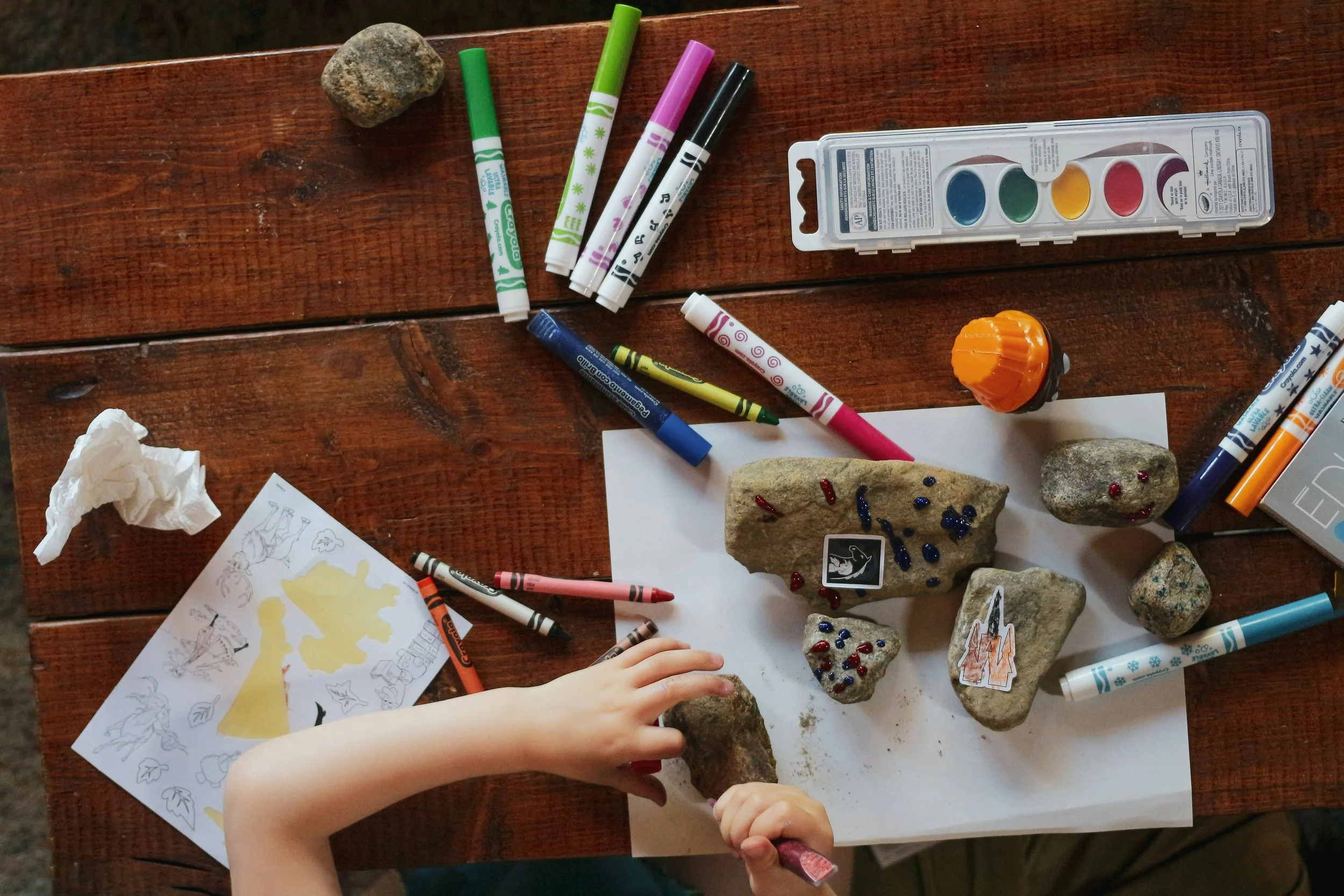
A younger child may communicate through a story with toys or movement. Therapy for toddlers and preschoolers does not depend on sitting still or explaining feelings. We listen to their language of play and body language.
We do not rush past these moments or insist on an explanation. We slow down, notice, and meet your child in the forms of expression that already feel possible.
“Play is a child’s natural medium for self-expression.”
What the Body Tells
We notice overwhelm and sensory needs, when the young child does not have the accurate words to describe what is happening.
What Play and Creative Expression Shows
Play, sound, movement, images, and silence can all carry meaning in the room. Themes offer clues about the child’s inner world.
The Therapist Responds With Intention
The therapist may mirror, join, gently shift, or offer something new within the activity.
Growth Is in the Moment of Play
Your child can build up skills in regulation and communication in play activities.
— Different Pathways Into a Child's World
Play Therapy, Music Therapy and Creative Expression
There is no single doorway into a child's world. We follow your child's interests and communication style, choosing approaches that help them feel comfortable enough to explore. No artistic or musical experience is needed.
-

Play Therapy
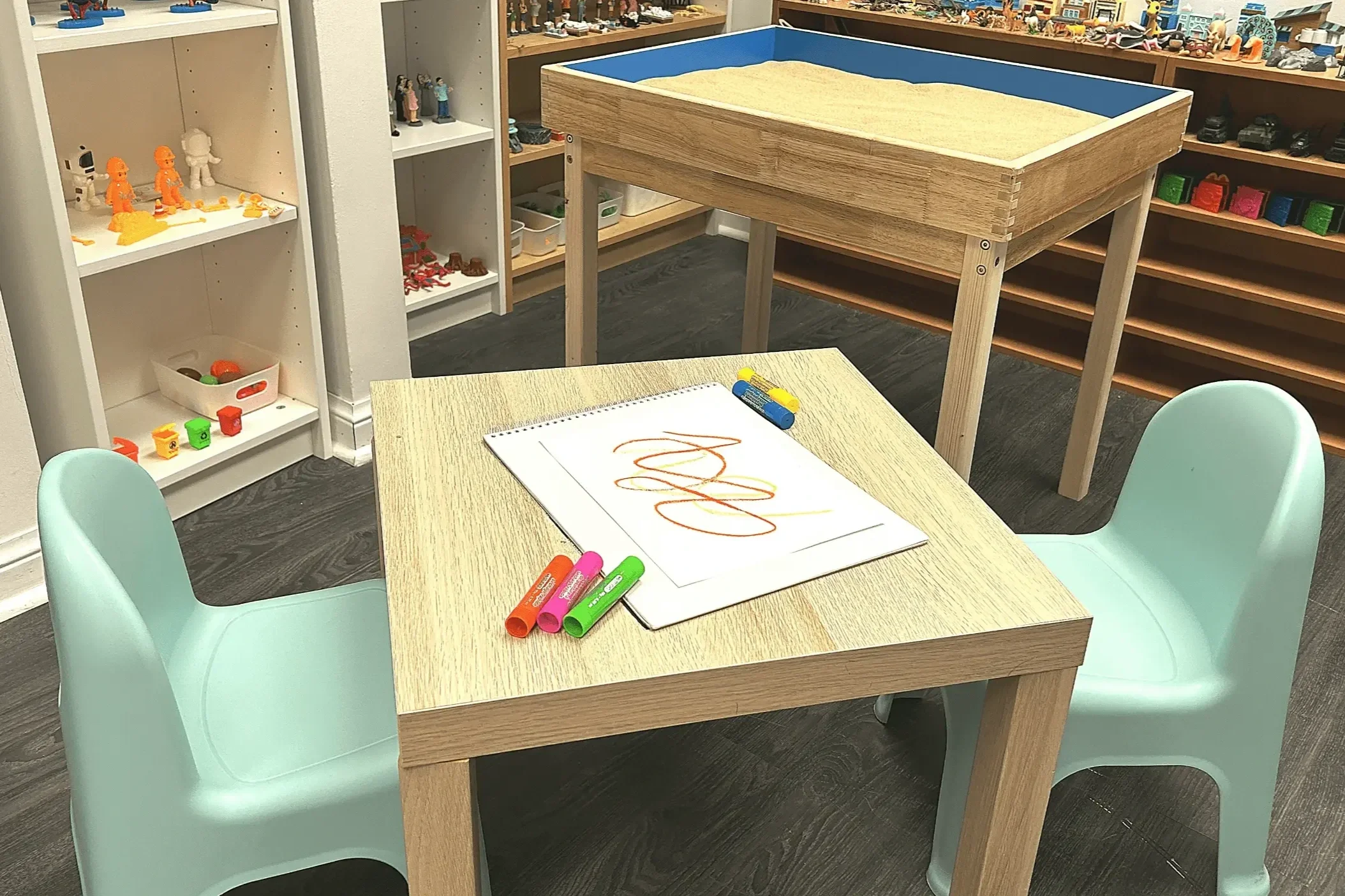
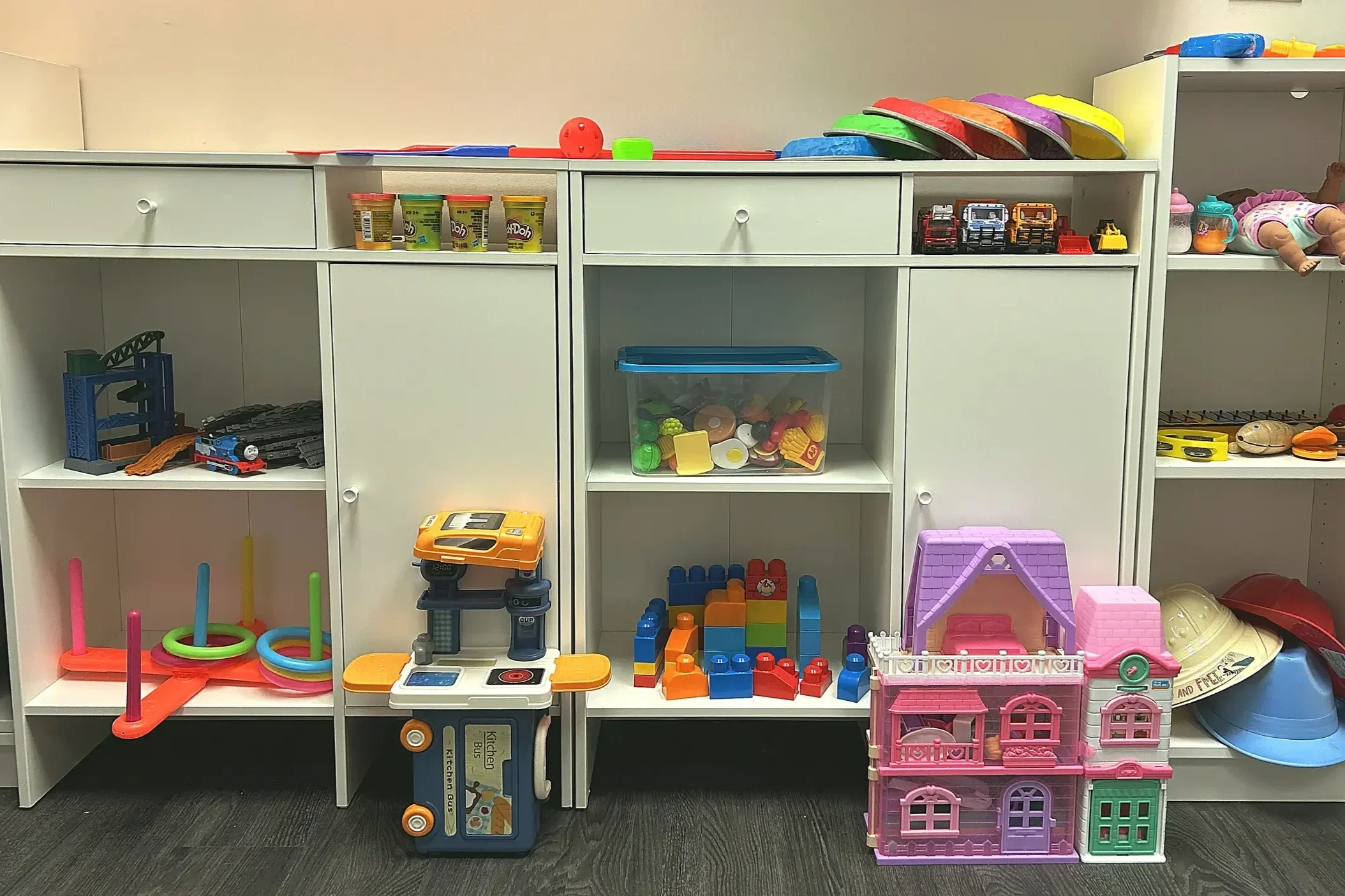
A toy can hold a feeling. Through role playing, pretend play, and sandtray, children can show and work through experiences in a language that feels natural to them. Each play activity is designed for a therapeutic reason, not simply as something to do while talking.
-

Music Therapy and Music Psychotherapy
Rhythmic activities, songs and singing support expression and shared regulation.
-
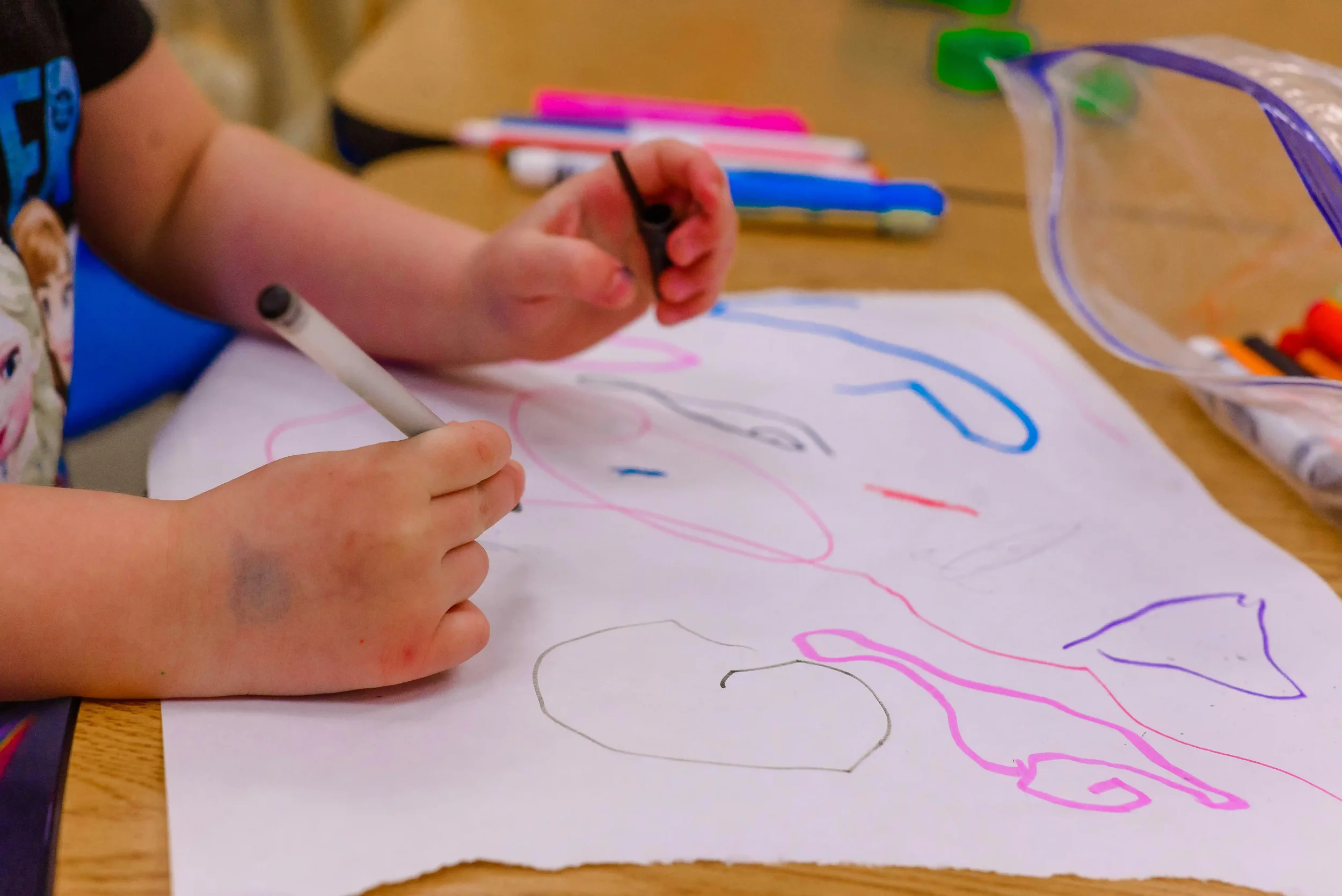
Creative Expression
Drawing, crafts, movement, and sensory materials offer more ways to communicate and regulate.
Evidence-Based Psychotherapy
Other Approaches Used in Early Childhood Therapy at Healing Notes Therapy
Play, music, and creative expression may be at the heart of a session. When helpful, we also draw from other evidence-based psychotherapy approaches and adapt them to the child’s developmental stage, communication style, and sensory needs.
Theraplay
Creating an active emotional connection between the child and their parent or caregiver while building and strengthening attachment.
Emotionally Focused Family Therapy
Helps family members understand relationship patterns and create safer, more connected ways of reaching one another.
— Seeing the Whole Child
A Holistic, Developmentally Informed Approach
Your child is more than their age, diagnosis, or a list of milestones. Children can be growing at different speeds in different areas. We look at where your child stands across each area of development, including their sensory profile and learning needs. With your permission, we can include insights from your child's occupational therapist, speech and language pathologist, psychologist, paediatrician, family doctor, or school team.
-

Psychosocial Development
Every young child is at a different stage in how they play, communicate and learn. We do not expect toddlers and preschoolers to use strategies designed for school-aged children. Therapy is adapted to your child’s developmental stage, learning needs and pace.
-

Body & Sensory Needs
Each child has their unique sensory needs and preference towards regulation. We tailor every intervention to fit with your child’s sensory profile.
-

Language and Communication
Every toddler and preschooler has their own pace in language development. We tailor our interventions to meet the child’s level to communicate and learn.
How Early Childhood Therapy Begins
— Getting Started
Before booking
Free 15-minute Consultation
No forms. No commitment.
Share briefly about your child's story and ask questions.
Phone or secure video call · Weekday evenings and Saturdays available
Your first appointment
Choose Your Starting Point
Both pathways begin with a conversation.
Clinical Assessment Session
Getting to Know the Family
The therapist gets to know how you and your child connect, communicate and play. This helps the therapist to observe the dynamic in parent-child relationship.
We collaboratively discuss therapeutic goals and session format.
Personalized Treatment
A Plan that Fits the Family
We share a plan and begin sessions using a holistic and developmentally informed approach.
Parenting support and family sessions will be included to fit the needs of your family, along with tools you can use at home between appointments.
The plan can adapt as we learn more about your child.
Convenient In-Person Sessions in Richmond Hill
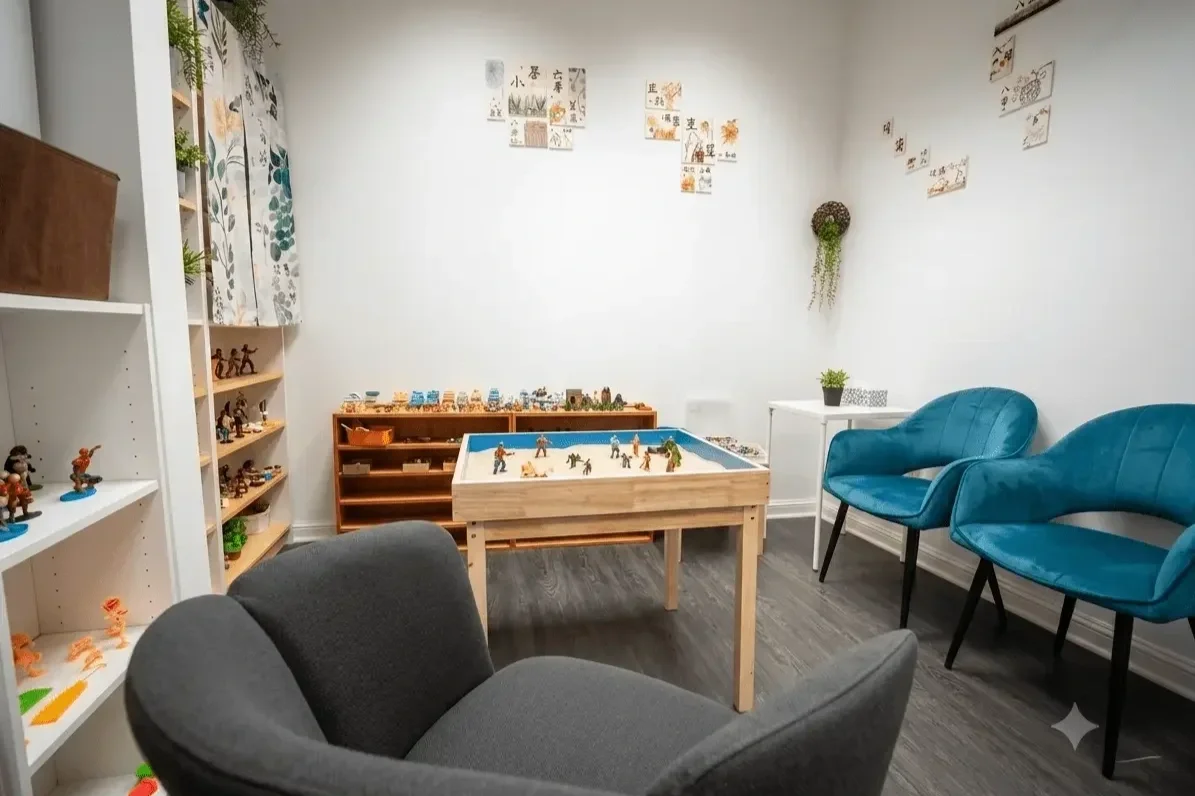
Located inside Times Square at the intersection of Richmond Hill and Thornhill, our cozy clinic space is easily reachable for individuals and busy families from surrounding areas including Markham, North York, Scarborough, Vaughan, Aurora and Stouffville. To fit the family’s busy schedules, we also provide secure virtual video sessions for clients located anywhere across Ontario.
Learn more about the location and directions of Healing Notes Therapy →


Frequently Asked Questions
Still have questions? Take a look at the FAQ or reach out anytime.
Learn more about our FAQ page to answer any of your further questions.
-
You do not have to wait for a crisis to reach out. Here are some signs it may be time to seek support:
More moody, irritable, or emotionally reactive than usual
Frequent tantrums or meltdowns that are hard to soothe
Needing significantly more energy to get through daily routines
Increased clinginess or difficulty with transitions
Loss of interest in play, hobbies, or activities they used to enjoy
Changes in appetite, sleep, or energy levels
Withdrawing from friends, family, or social situations
If several of these feel familiar, it may be worth reaching out. Early support can make a meaningful difference.
-
Fees vary depending on the type of service and session duration. For more information, please visit our fees and payment policy.
-
Yes, we offer a limited number of sliding scale spots for individuals and families who are experiencing financial hardship. Availability is assessed on a case-by-case basis, and proof of income may be required.
For more information about our standard fees, please visit our fees and payment policy. If you would like to inquire about sliding scale availability, we invite you to leave your information through our contact form, and our team will follow up with you.
-
Yes, in-home sessions are available on a very limited basis. Please note the following conditions apply:
Available within a limited geographic radius of our Richmond Hill office
Latest session start time is 2:00 PM
Not available on weekends
Subject to clinician availability
A virtual or in-person office meeting is required prior to any in-home session. This initial meeting allows us to get to know your family, understand your needs, and ensure that in-home support is the right fit before we visit your home.
If you are interested in in-home support, please reach out through our contact form to confirm whether your location and scheduling needs are a match before booking.
-
Music Therapy
Music therapy uses music to help your child grow, communicate, and feel better. Your child do not need to be "good at music" or know how to play an instrument to benefit from it. Instead of just sitting and talking, we use simple musical experiences, like listening to a favourite song, writing down thoughts as lyrics, or playing with rhythms and melodies, to help manage stress, express heavy feelings, and build new skills. It is a proven, research-backed practice tailored entirely to what feels comfortable for you.
Music Psychotherapy
Music psychotherapy takes those same creative music tools and brings them directly into a mental health therapy framework. Simply put, it is the intentional use of music therapy activities inside a psychotherapy treatment. When talking about tough experiences or big emotions feels overwhelming, exhausting, or impossible, we blend music and talk therapy together. This helps your child safely explore their inner world, process deep challenges, and heal in a way that words alone cannot always reach.
For more information about music therapy, please visit the website of Canadian Association of Music Therapists.
-
Yes, the music therapy service within the scope of psychotherapy will be eligible for reimbursement of OAP Funding. It will be under the category of Mental Health Service. The music therapist at Healing Notes Therapy is also a registered psychotherapist in good standing.
-
No, many children we work with demonstrate a spectrum of their language ability, from non-verbal, still developing spoken language to fully verbally. No diagnosis is required.
-
No, a referral is not required. You are welcome to book directly through our online booking system or contact us through our contact form or email at info@healingnotes.ca without a referral from your family doctor or any other healthcare provider.
However, if you feel it would be beneficial for another member of your child's care team (e.g. family doctor, pediatrician, psychologist, speech and language pathologist or occupational therapist) to initiate or coordinate the referral process, they are welcome to complete our referral form and submit it directly to info@healingnotes.ca.
-
It depends on your family's decision-making arrangements, and it is something we take seriously. Decision-making responsibility (formerly known as custody) determines who can legally consent to a child's healthcare, including therapy. We cannot accept a parent's self-claim of sole decision-making responsibility. Documentation such as a separation/divorce agreement or court order is required during intake.
Every family's situation is different, and if your child is 12 years old or older, their own consent to participate is also taken into consideration.
If you have questions before booking, feel free to leave a message on our contact form. You can also reach out at info@healingnotes.ca or call (647)779-5216.
-
First Session (including the parent intake session and the “trial session”): 60 Minutes
Individual session / Caregiver Coaching & Psychotherapy session*: 50 minutes
Children aged 6 and under for any types of session: 30 minutes, unless your child shows a need for longer session
Sessions with 2 or more attendees (Caregiver Coaching & Psychotherapy, or Family Therapy): 60–90 minutes recommended
*Longer individual sessions are available based on the needs. Please discuss with the clinician if you feel a longer session would be beneficial.
-
It varies by the child, depending on the pace the child build trust with the therapist. Some families notice small shifts after the child attending few treatment sessions. Other changes take longer.
-
We offer weekday evening and Saturday appointments to accommodate the busy schedules of families and individuals.
For the most up-to-date availability, please visit our online booking system directly at healingnotes.janeapp.com. If you do not see a time that works for your schedule, please contact us through our contact form or email us at info@healingnotes.ca and we will do our best to accommodate your needs.

Begin with a Conversation
Book a Free Consultation
A free consultation is a simple first step when you are considering early childhood therapy at Healing Notes Therapy. You do not need to know exactly what kind of therapy your child needs. Tell us what you have been noticing, and we will brainstorm it through with you. There is no pressure and no commitment.